
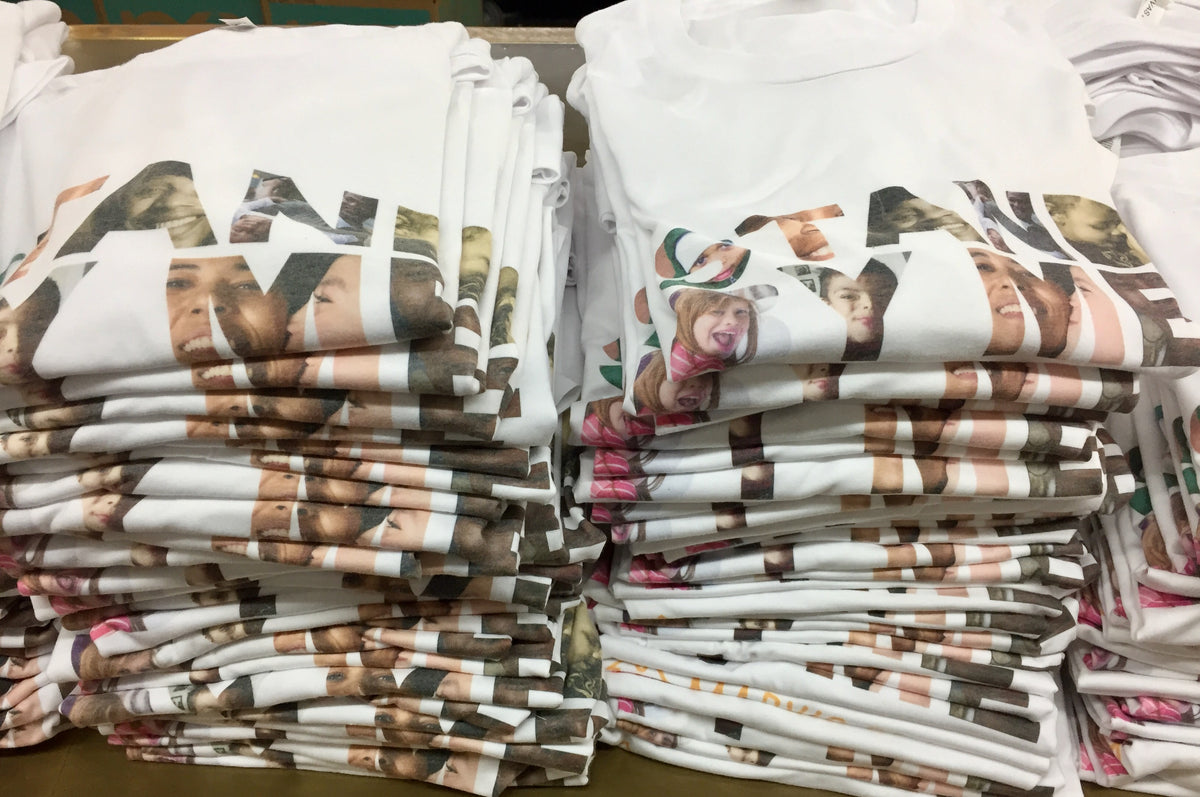
Dye Sublimation
Vibrant. Versatile. Built Into The Product.
Some decoration sits on top of a product.
Sublimation becomes part of it.
Dye sublimation is a digital printing process that uses heat to transfer dye into compatible materials. Rather than creating a traditional layer of ink sitting on the surface, the dye becomes embedded into the material, creating a vibrant finish with a soft hand feel.
The result?
Detailed graphics, bold colors, photographic images, patterns, gradients, and designs that can cover much larger areas than many traditional decoration methods.
But sublimation isn't the right answer for every product.
The material matters.
At Logo Unlimited, we look at the product, artwork, intended use, and desired result before recommending sublimation. When the product is right for the process, sublimation can create some of the most visually striking branded merchandise available.
48 PIECE MINIMUMWhat Is Dye Sublimation?
Dye sublimation is a heat-transfer printing process where specially formulated dye is transferred into a compatible material.
The dye moves into the material rather than simply sitting on top of it.
This creates several advantages:
Unlike embroidery or patches, there are no raised threads or additional materials sitting on top of the product.
The finished design becomes part of the surface.
Is Sublimation Right For Your Product?
This is where choosing the decoration method becomes important.
Sublimation works particularly well with polyester and polyester-blend materials designed for sublimation, as well as certain specially coated hard goods.
It is especially effective when you want:
For darker garments or products made from materials that aren't compatible with the sublimation process, another decoration method may be a better choice.
That's why we don't recommend sublimation simply because the artwork looks good on screen.
The product has to be right first.
What Makes Sublimation Different?
Embroidery
Adds texture and dimension through thread.
Screen Printing
Creates bold graphics using ink applied to the surface.
Heat Transfer
Allows detailed graphics and specialty effects to be applied to compatible products.
Patches
Add physical dimension and a retail-inspired appearance.
Sublimation
Creates highly detailed, vibrant graphics that become part of the compatible material.
None of these methods is automatically "better."
The right choice depends on what you're trying to create.
Why Choose Dye Sublimation?
Vibrant Colors
Sublimation is particularly well suited to colorful artwork, gradients, patterns, and designs with multiple colors.
When the product and process are matched correctly, the finished result can be exceptionally vibrant.
Extremely Detailed
Fine details, complex artwork, photographs, and intricate patterns can be reproduced without simplifying the design to accommodate thread or traditional screen-printing limitations.
Soft Hand Feel
Because the dye becomes integrated into the compatible material, the finished decoration doesn't create the same raised surface associated with embroidery, patches, or some transfer methods.
This makes sublimation particularly attractive for performance apparel and products where maintaining a smooth surface matters.
Large-Area Decoration
Sublimation can be used for designs that extend well beyond a traditional left-chest logo.
That makes it an excellent option for creative apparel, event merchandise, sportswear, and products featuring all-over graphics.
Recommended Applications
Performance & Sportswear
Sublimation is particularly well suited to performance apparel where vibrant graphics, lightweight decoration, and a smooth hand feel are important. Think:
For teams, sublimation can also make it possible to create highly customized designs without limiting the artwork to a small logo placement.
Custom Apparel
Sublimation can bring detailed artwork, patterns, and full-color graphics to compatible shirts, hoodies, leggings, dresses, and other apparel.
It is especially useful when the design itself is a major part of the product rather than simply a small company logo.
Promotional Products
Sublimation can also be used on compatible promotional products such as:
The important factor is whether the product has been designed or treated to accept the sublimation process.
When Sublimation Makes The Most Sense
Sublimation is usually worth considering when your project has one or more of these characteristics:
You Have Complex Artwork
If your design includes photographs, gradients, detailed illustrations, or lots of colors, sublimation may be a strong option.
You Want Full-Color Coverage
Sublimation can create designs that extend across much more of the product than a traditional logo application.
You Want A Soft Finish
For performance apparel and other applications where a smooth surface is important, sublimation can be an excellent choice.
You Want Something That Looks More Like Retail Merchandise
Bold patterns, creative graphics, and all-over designs can help branded apparel feel less like traditional promotional merchandise.
And that's important.
The best promotional products stop feeling promotional.
Sublimation vs. Other Decoration Methods
Choosing between decoration methods shouldn't come down to which technique sounds the most impressive. It should come down to the product and the result you want.
| If you want... | Consider... |
|---|---|
| A premium textured logo | Embroidery |
| Bold, traditional graphics | Screen Printing |
| Specialty graphic effects | Heat Transfer |
| A dimensional, retail-inspired look | Patches |
| Highly detailed full-color artwork | Sublimation |
| A permanent etched appearance | Laser Etching |
| A tactile raised or recessed finish | Embossing / Debossing |
| Multiple visual effects together | Multimedia |
Sometimes sublimation will be the obvious choice.
Sometimes another method will produce a better result.
Our job is to help you make that decision before production begins.
Common Sublimation Mistakes
Choosing Sublimation Because The Artwork Is Colorful
Colorful artwork doesn't automatically mean sublimation is the right choice.
The material and product construction are equally important.
Ignoring The Product Material
Sublimation requires compatible materials and products.
Choosing the product first and trying to force sublimation onto it can lead to disappointing results.
The decoration method should follow the product, not the other way around.
Using Sublimation For A Simple Logo
If your company simply needs a clean embroidered logo on a polo, sublimation may be unnecessary.
Sometimes the simplest solution is the best one.
Treating Promotional Merchandise Like One-Size-Fits-All
A performance shirt, ceramic mug, cotton sweatshirt, and leather accessory all behave differently during decoration.
That's why experienced production guidance matters.
Building A Better Branded Merchandise Program
Sublimation doesn't have to exist on its own. Many businesses use several decoration methods across their merchandise program depending on the product. For example:
The result is a merchandise program that remains visually consistent while allowing each product to use the decoration method that suits it best.
That's a much stronger strategy than trying to put the same logo treatment on everything.
Why Work With Logo Unlimited?
We're not here to sell you a decoration method just because it's available.
We're here to help you determine what will actually work best.
Our team considers the product, material, artwork, intended use, quantity, and desired finished appearance before recommending a decoration process.
Sometimes that's sublimation.
Sometimes it's embroidery.
Sometimes it's screen printing.
And sometimes we'll tell you that the method you originally had in mind isn't the best fit.
That's part of the service.
Because the goal isn't simply to produce a product with your logo on it.
The goal is to create branded merchandise that looks right, feels right, and gets used.
Tell us about your project, your artwork, and what you're trying to create. We'll help you choose the right product and decoration method to bring it to life.
Frequently Asked Questions About Dye Sublimation
What is dye sublimation?
Dye sublimation is a digital decoration process that uses heat to transfer dye into compatible materials. The dye becomes integrated into the material, allowing for vibrant, detailed designs with a smooth finish.
What materials work best for sublimation?
Sublimation works particularly well with polyester and polyester-blend materials designed for sublimation, as well as certain specially coated promotional products. The product must be compatible with the process to achieve the intended result.
Can sublimation print full-color designs?
Yes. One of the biggest advantages of sublimation is its ability to reproduce detailed, full-color artwork, including photographs, gradients, patterns, and complex graphics.
Does sublimation feel like ink on the product?
Sublimation has a smooth, soft hand feel because the dye becomes integrated into the compatible material rather than creating a traditional raised layer on the surface.
Is sublimation durable?
When applied correctly to a compatible product, sublimation creates a long-lasting decoration because the dye becomes part of the material rather than simply sitting on top of it.
Can you sublimate dark-colored shirts?
Traditional dye sublimation is best suited to light-colored, compatible materials because the dye does not function like opaque ink. For dark garments or incompatible materials, another decoration method may be a better choice.
Is sublimation better than screen printing?
Neither method is automatically better. Sublimation is particularly strong for detailed, full-color artwork and compatible performance materials, while screen printing is often better for bold graphics on a wider range of garments. The right choice depends on the product and your design.
Can you help me decide if sublimation is right for my project?
Absolutely. We'll look at your product, material, artwork, quantity, and intended use before recommending the decoration method that makes the most sense.
Explore Our Branding Options
Sublimation is just one way to bring a brand to life. Explore our other Branding Options to compare:
Understanding the strengths and limitations of each process makes it much easier to choose the right decoration for your project.
The best branding method isn't necessarily the most complicated one.
It's the one that makes the most sense for the product, the artwork, the brand, and the people who will actually use it.
SPECIALITY DYE SUB


