
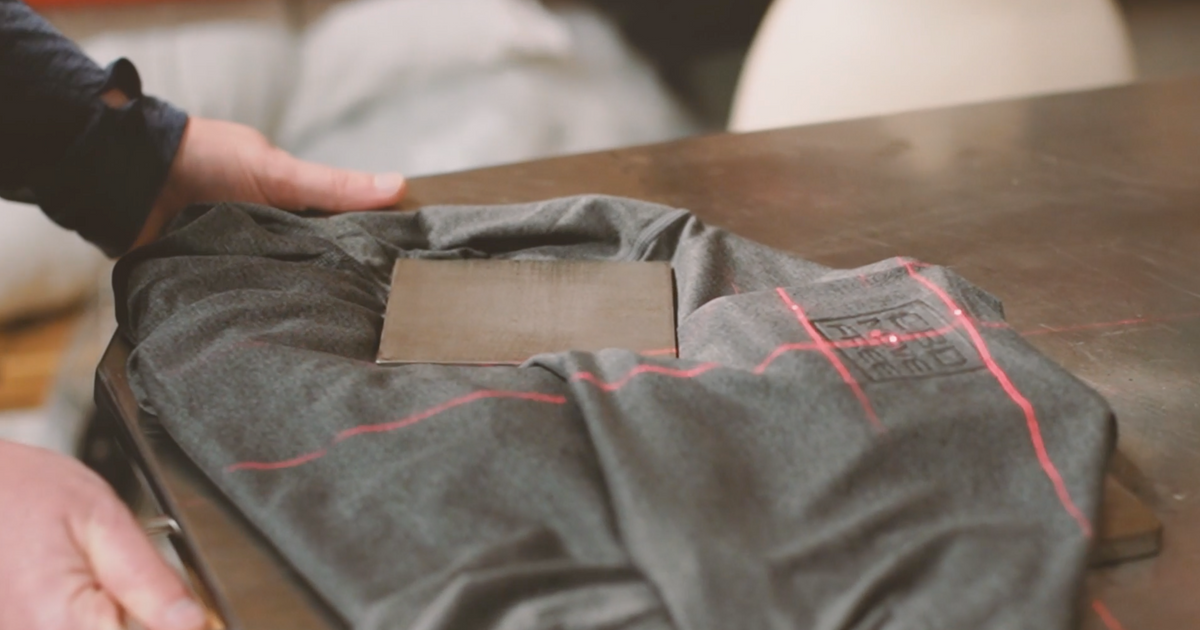
Emboss & Deboss Branding
Premium Branding That People Feel Before They See
Some branding methods make your logo more visible.
Embossing and debossing make it more memorable.
Rather than adding ink, thread, or patches, these techniques transform the material itself by creating raised or recessed impressions that become part of the product. The result is subtle, tactile branding that feels premium without needing bold colours or oversized graphics.
At Logo Unlimited, embossing and debossing are some of our favourite decoration methods for premium apparel because they create a look that's closer to high-end retail than traditional promotional merchandise.
Every project is reviewed by our in-house production team before production begins to ensure the garment, material, artwork, and branding method all work together to achieve the best possible result.
What Is Emboss & Deboss Branding?
Although they're often mentioned together, embossing and debossing create two very different effects.
Embossing
Embossing raises your logo above the surface of the garment or material, creating a three-dimensional effect that's subtle, modern, and highly tactile.
Rather than relying on colour, embossing uses light and shadow to make your branding stand out.
It's one of the cleanest and most premium branding techniques available.
Debossing
Debossing creates the opposite effect by pressing the artwork into the material to leave a clean recessed impression.
The result is understated branding that feels sophisticated and timeless.
Debossing works particularly well on synthetic materials where a subtle branded finish is preferred over bold decoration.
Emboss vs Deboss: Choosing the Right Technique for Your Brand
Both techniques create premium results, but choosing the right one depends on the material.
As a general guide:
Choose embossing when you're working with heavyweight cotton garments that can hold a raised impression.
Choose debossing when you're decorating polyester, technical fabrics, or products where a recessed finish creates a cleaner result.
One of the biggest misconceptions is assuming either technique works equally well on every garment.
It doesn't.
Material thickness, fabric composition, garment construction, and logo complexity all influence the finished result, which is why every project is reviewed before we recommend embossing or debossing.
Why Businesses Choose Emboss & Deboss Branding
Embossing and debossing aren't designed to shout.
They're designed to elevate.
Businesses often choose these techniques because they create branded apparel that feels premium from the first touch. Some of the biggest advantages include:
The best promotional products stop feeling promotional.
Embossing and debossing are perfect examples of that philosophy.
Where Emboss & Deboss Branding Works Best
These techniques work best when the garment and branding method complement one another. Some of our favourite applications include:
Employee Onboarding Kits
Create apparel new employees genuinely want to keep wearing long after their first week.
Executive Gifts
Premium hoodies and outerwear create memorable gifts that feel thoughtful rather than promotional.
Company Stores
Retail-inspired apparel encourages employees to choose branded merchandise because they genuinely like wearing it.
Lifestyle Merchandise
Embossing creates the kind of subtle branding that's become increasingly popular with premium consumer brands.
Common Mistakes With Emboss & Deboss Branding
After producing thousands of branded apparel projects, we've seen a few common mistakes.
Choosing the Branding Method Before the Garment
Embossing looks incredible on heavyweight cotton fleece.
It may not perform nearly as well on lightweight or technical fabrics.
The garment should always guide the branding method.
Using Overly Detailed Artwork
Simple logos usually create the strongest emboss and deboss results.
Fine lines and extremely intricate artwork don't always translate well into pressed designs.
Assuming Bigger Is Better
One of the strengths of embossing is subtlety.
A small, well-positioned embossed logo often creates a much stronger premium impression than an oversized design.
Comparing Emboss & Deboss to Other Branding Methods
Every branding method creates a different impression.
If your goal is bold visibility, screen printing may be the better choice.
If you're looking for timeless professionalism, embroidery remains one of the most versatile options.
If you want apparel that feels more like premium retail clothing than promotional merchandise, embossing and debossing are difficult to beat.
Our job isn't to recommend the most expensive decoration method.
It's to recommend the one that best supports your brand, your artwork, and how your apparel will actually be used.
Related Branding Options
Embossing and debossing often work alongside other premium branding techniques. You may also want to explore:
Understanding how each decoration method performs makes it much easier to choose the right solution for your project.
Why Work With Logo Unlimited?
Embossing and debossing aren't suitable for every project.
And that's exactly why customers work with us.
Every project is reviewed by our in-house production team, who evaluate your artwork, garment, material, and intended use before recommending the best decoration method.
Sometimes that means embossing.
Sometimes it means debossing.
Sometimes it means recommending embroidery or another branding technique altogether.
That's how better branded merchandise gets made.
Tell us about your project, and we'll help you choose the right garment, the right branding method, and the right combination to create products people genuinely want to keep.
Frequently Asked Questions About Emboss & Deboss
What is the difference between embossing and debossing?
Embossing creates a raised design that stands above the surface of the material, while debossing presses the design into the material to create a recessed impression. Both techniques create a premium look, but the best choice depends on the garment, material, and desired effect.
What materials work best for embossing?
Embossing works best on heavyweight cotton garments such as hoodies, sweatshirts, and fleece. These materials hold a raised impression well and create a distinctive, high-end finish.
When should I choose debossing instead?
Debossing is often the better choice for polyester, soft shell jackets, and technical fabrics where a recessed design creates a clean, sophisticated appearance without affecting the garment's performance.
Does embossing last?
Yes. Because embossing changes the material itself rather than adding ink or thread, it creates a durable finish that maintains its premium appearance over time when used on suitable garments.
Can every logo be embossed or debossed?
Not always. Simple, bold artwork generally produces the best results. Fine details and highly intricate logos may require a different branding method. Our in-house production team reviews every project and recommends the technique that will deliver the strongest finished product.
How do I know if embossing or debossing is right for my project?
Tell us about your garment, your logo, and how the apparel will be used. We'll help you choose the right branding method based on your goals rather than recommending a one-size-fits-all solution.
EMBOSS


DEBOSS


RECOMMENDED APPLICATIONS
-
DEBOSS

100% POLYESTER
Clothing items like polos, soft shell jackets, and all weather gear are ideal for deboss
-
EMBOSS

100% COTTON
Heavier weight sweatshirts and t-shirts work best for emboss

